
Branded vs Local Furniture: A Comprehensive Comparison
7/3/20262 min read
Introduction to Furniture Choices
When it comes to furnishing your home, the options can be overwhelming. Two popular choices among consumers are branded furniture and local furniture. Each of these categories offers different benefits and drawbacks that can significantly impact your purchasing decision. This blog post explores these options by comparing the advantages and disadvantages of branded versus local furniture.
Advantages of Branded Furniture
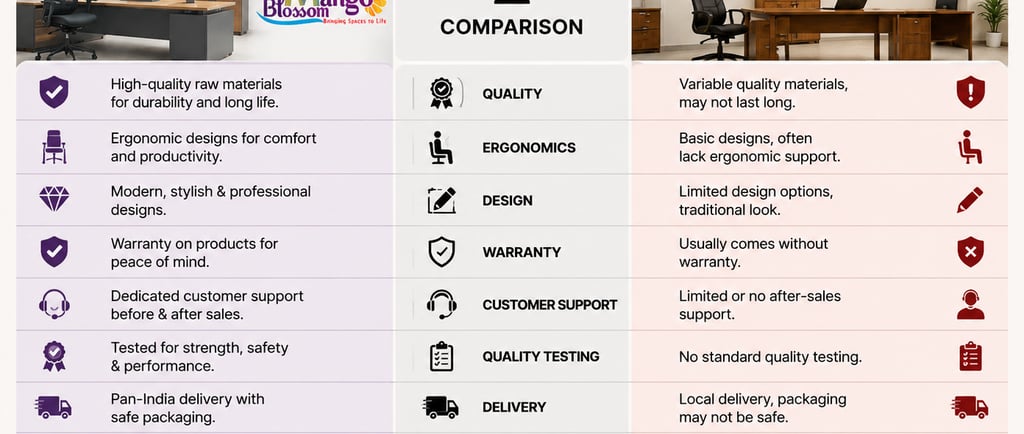
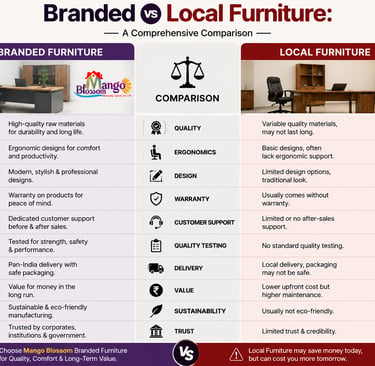
Branded furniture often comes with a prestigious reputation due to its established history and quality assurance. One of the primary advantages of choosing branded furniture is its consistency in quality. Well-known brands typically invest heavily in design and production, ensuring that each piece is both durable and aesthetically pleasing.
Moreover, branded furniture often offers a wider array of options with unique styles and finishes. Consumers can easily find pieces that fit their home decor vision. Additionally, buying branded items usually comes with a warranty, providing peace of mind related to repairs and replacements.
Disadvantages of Branded Furniture
Despite the benefits, there is a significant downside to branded furniture: the cost. Branded items can complete a hefty price tag, which may not fit everyone's budget. For many, the investment in a premium brand feels unwarranted, especially when cheaper alternatives exist.
Another issue can be the mass production methods used by many branded companies, which may lead to environmentally harmful practices and less customizable options. Consumers looking for unique pieces that reflect personal style might find it challenging to locate truly one-of-a-kind items in branded collections.
Advantages of Local Furniture
On the other side, local furniture has compelling advantages, particularly its affordability. Sourcing furniture from local artisans and small businesses often results in lower prices. This is mainly because local businesses generally have lower overhead costs compared to big brands.
Another significant benefit of local furniture is the uniqueness of the products. Many local craftsmen focus on custom work, allowing customers to personalize their purchases. This crafting process tends to utilize more sustainable materials and methods, appealing to environmentally conscious consumers.
Disadvantages of Local Furniture
Nonetheless, local furniture may come with disadvantages as well. One of the most prominent issues is the variability in quality. While some local pieces are exquisitely crafted, others may not meet the durability standards established by branded options. Buyers need to carefully assess the reputation and reviews of local artisans.
Additionally, while local stores may offer a variety of styles, the selection often pales in comparison to what established brands can provide. This limited variety can make it difficult for buyers to find exactly what they are looking for.
Conclusion
Ultimately, choosing between branded and local furniture depends on individual preferences and priorities. Branded furniture offers quality and variety, albeit at a higher cost, while local furniture provides affordability and uniqueness at the risk of inconsistency. Carefully weighing these advantages and disadvantages will help you make the right decision for your home.
Mango Blossom
BIFMA-certified workspace engineering and heavy-gauge steel storage.
SITEMAP
Home
Products
About Us
Government
Dealers
Testimonials
BULK PROCUREMENT
hey@mangoblossom.tech
GeM Seller ID available on request
National shipping & installation support
© 2026 Mango Blossom-Mango Blossom by VSCART India Pvt. Ltd. All rights reserved, with pride.
BIFMA-CERTIFIED FACTORY DIRECT